
W ramach naszej międzynarodowej współpracy i programów wymiany studenckiej z przyjemnością dzielimy się doświadczeniami studentów zagranicznych, którzy studiowali na naszym wydziale w ramach programu Erasmus+.
Ich historie pokazują nie tylko możliwości akademickie oferowane przez naszą uczelnię, ale także wymianę kulturową i osobiste więzi, dzięki którym studia za granicą stają się wyjątkowym i wzbogacającym doświadczeniem.
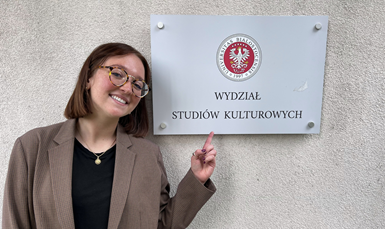
Kate, stypendystka programu Fulbright:
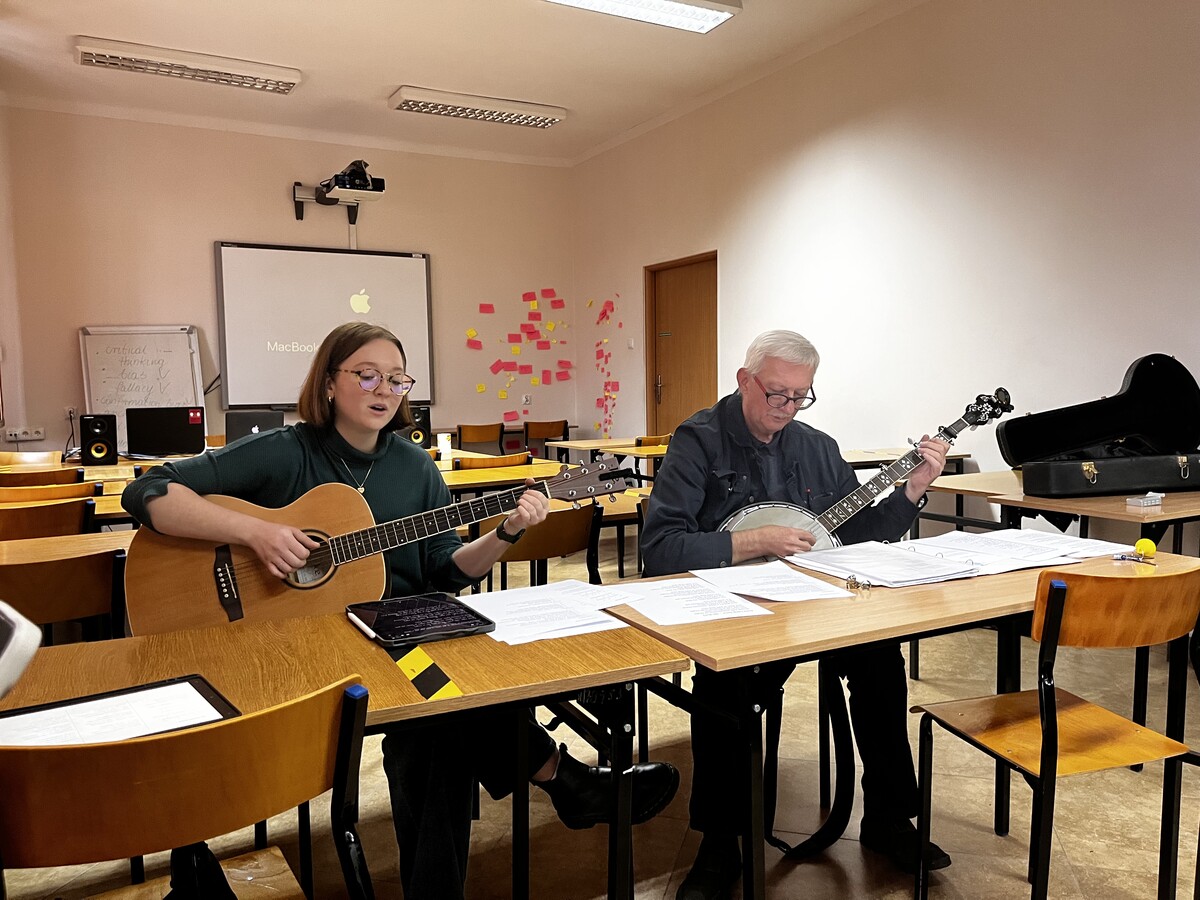
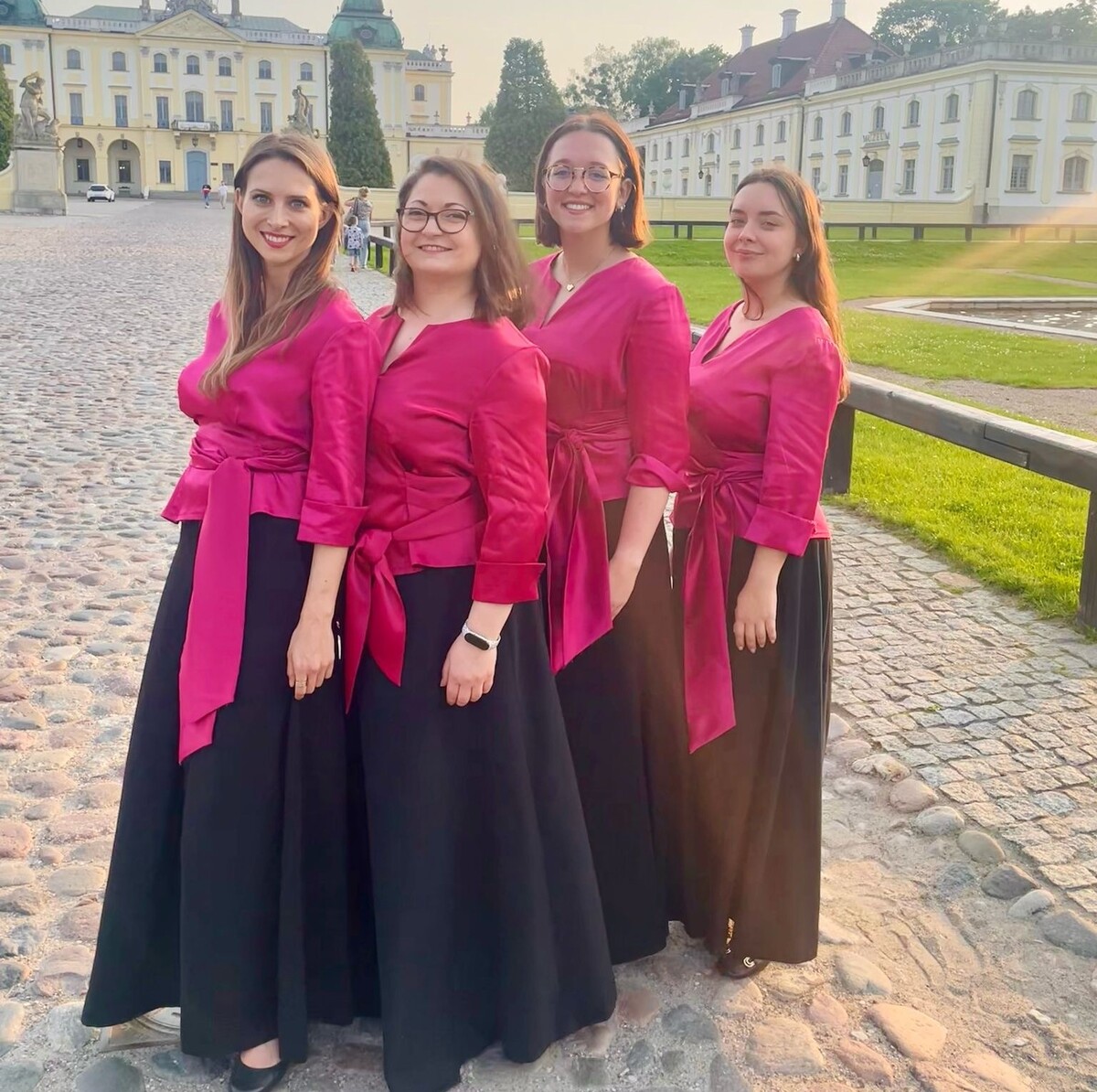
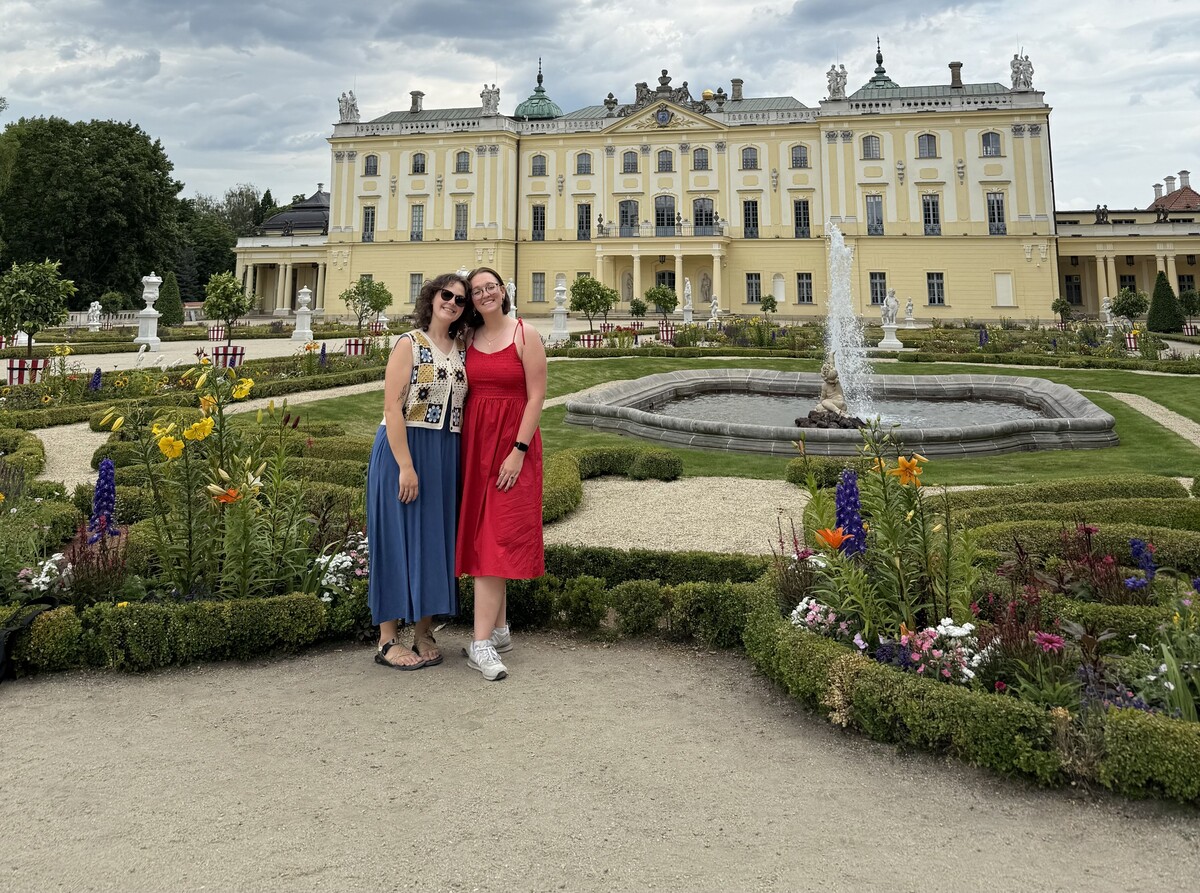
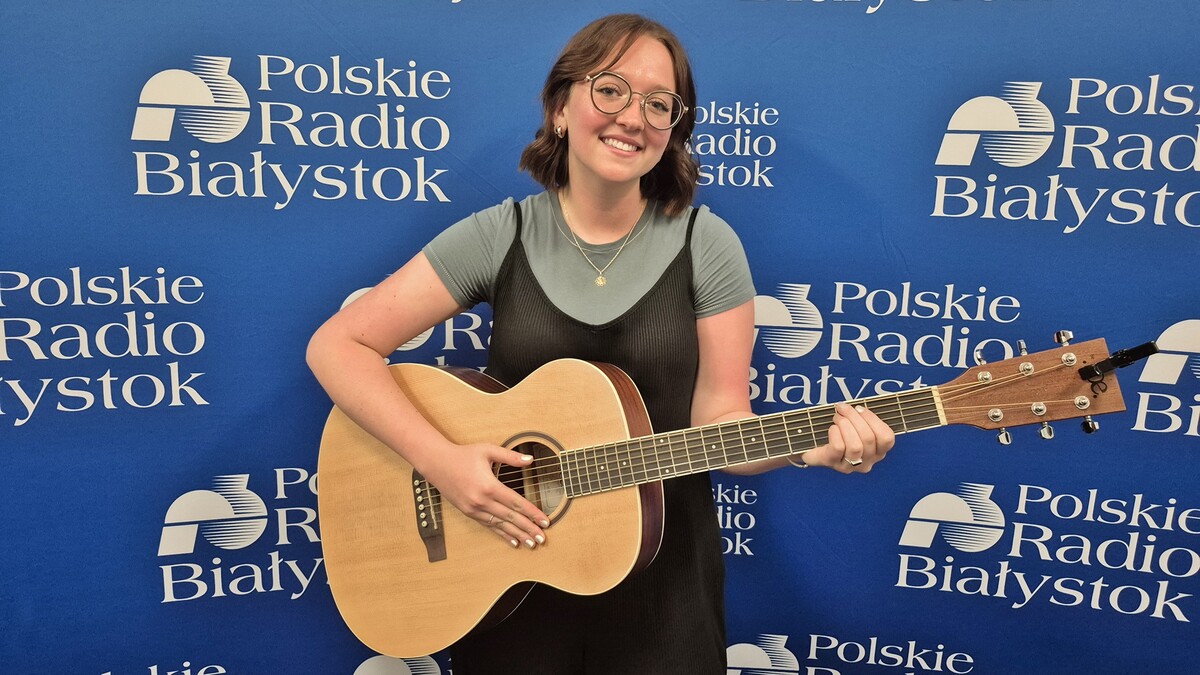
When I first arrived in Białystok, I was eager to see what living there would be like, as I knew very little about the Podlasie region. As I began meeting people within the Faculty of Cultural Studies, I discovered a shared sense of curiosity and a genuine desire to learn throughout the entire department. Both students and faculty were interested in American culture as well as the interests we held in common, such as music, film, and art. During my time in Białystok, I had the opportunity to deeply connect with the university community. I led an American Culture seminar, sang in the academic choir, joined the student-led Cultural Studies book club, and attended local cultural events.
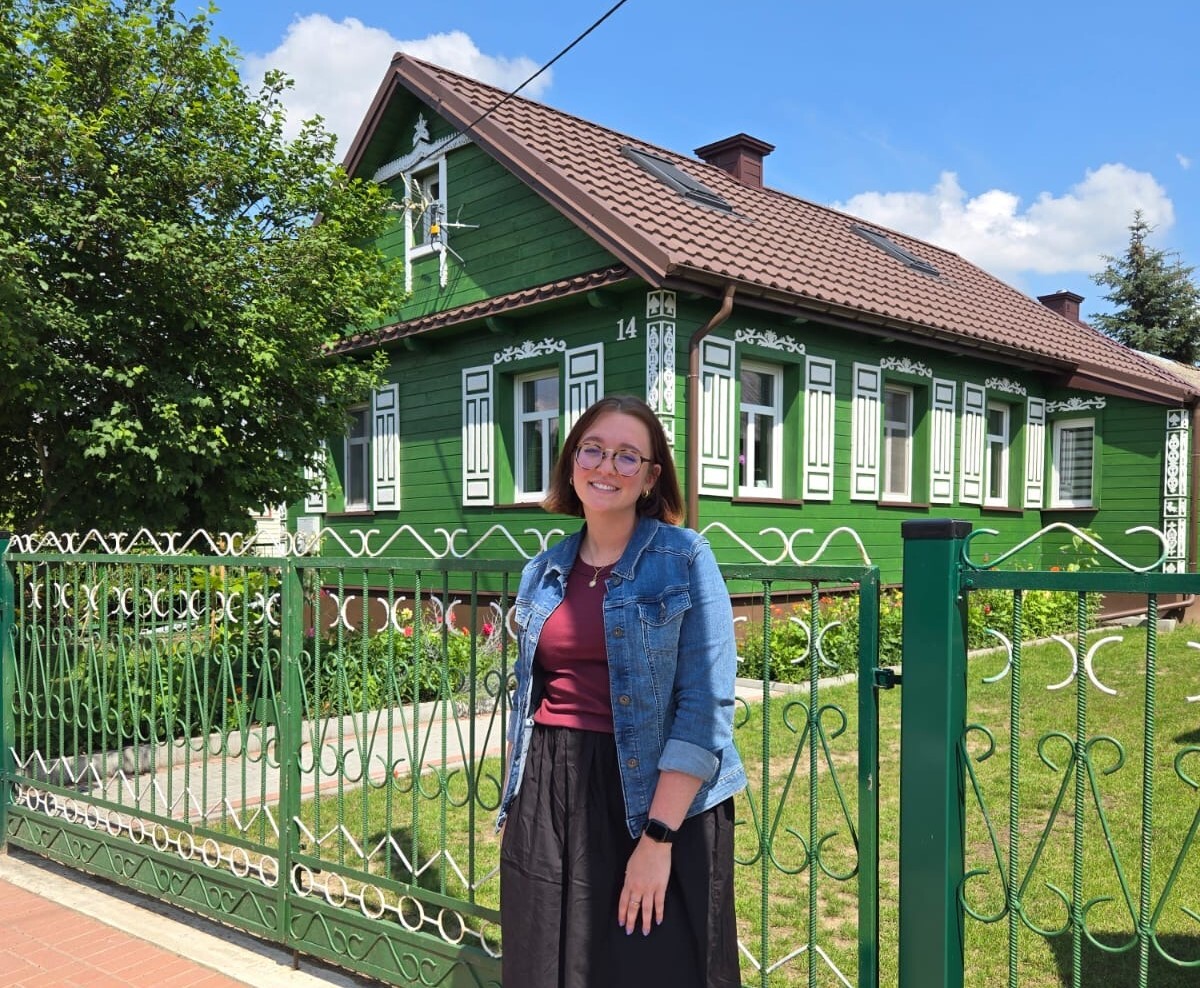
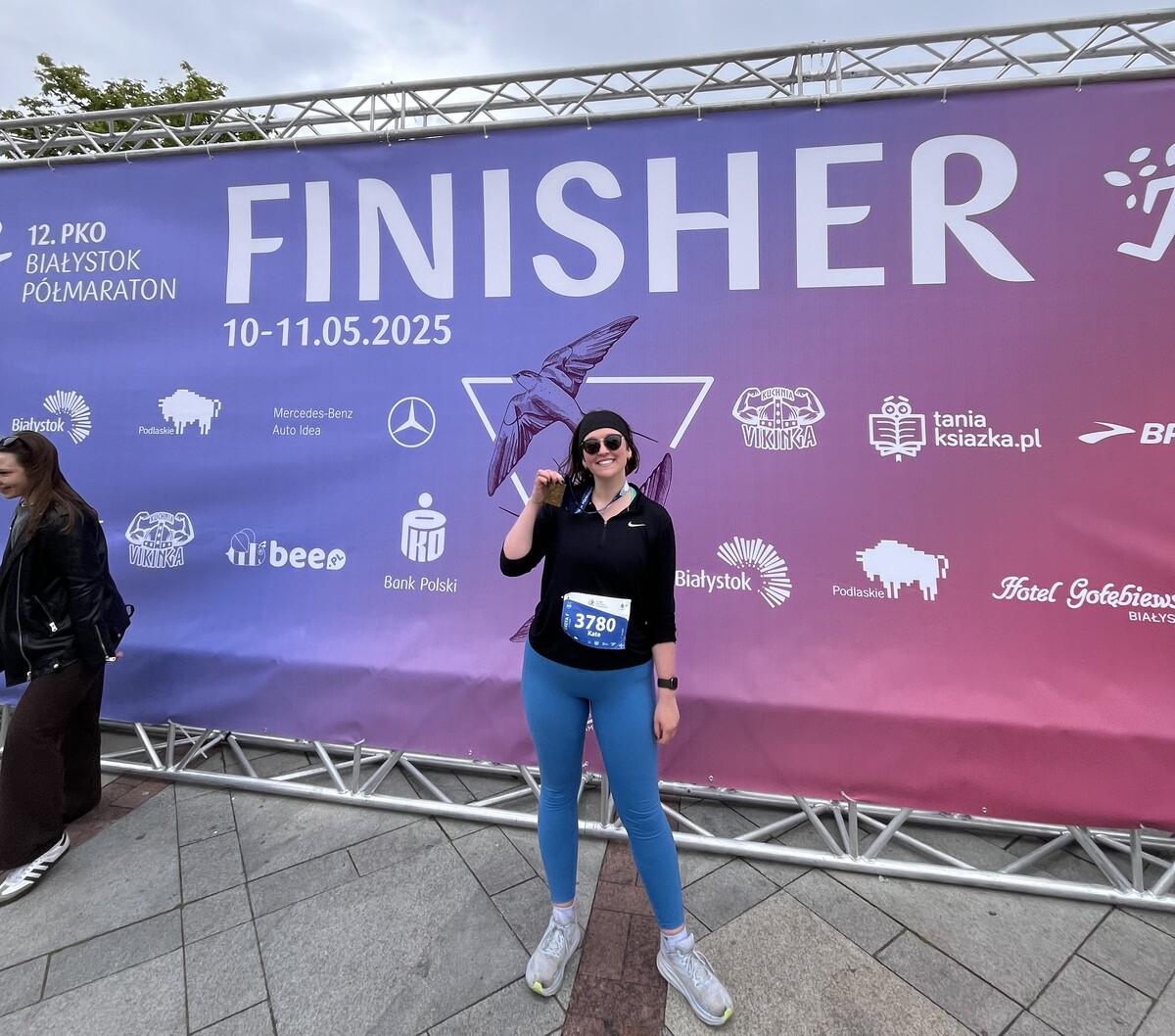
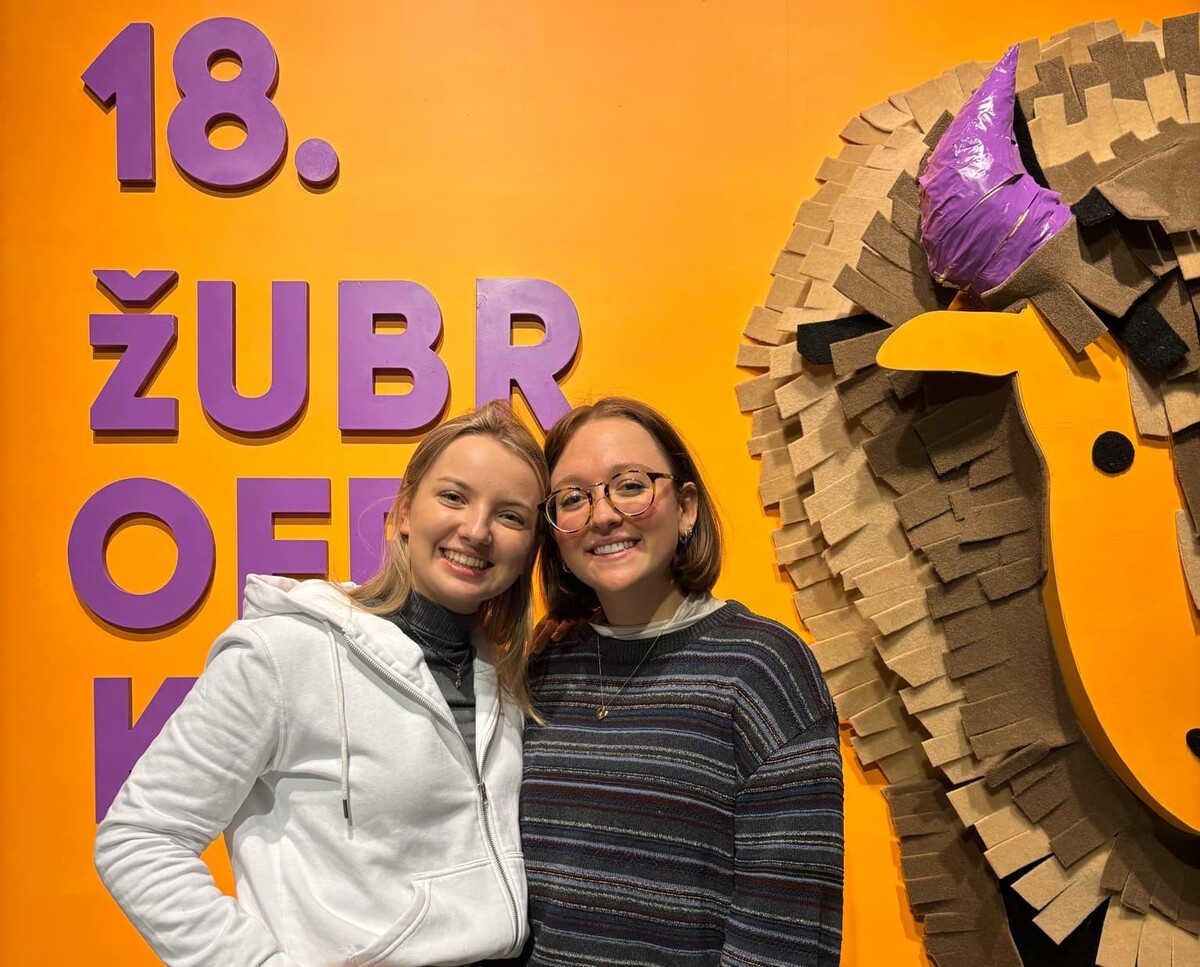
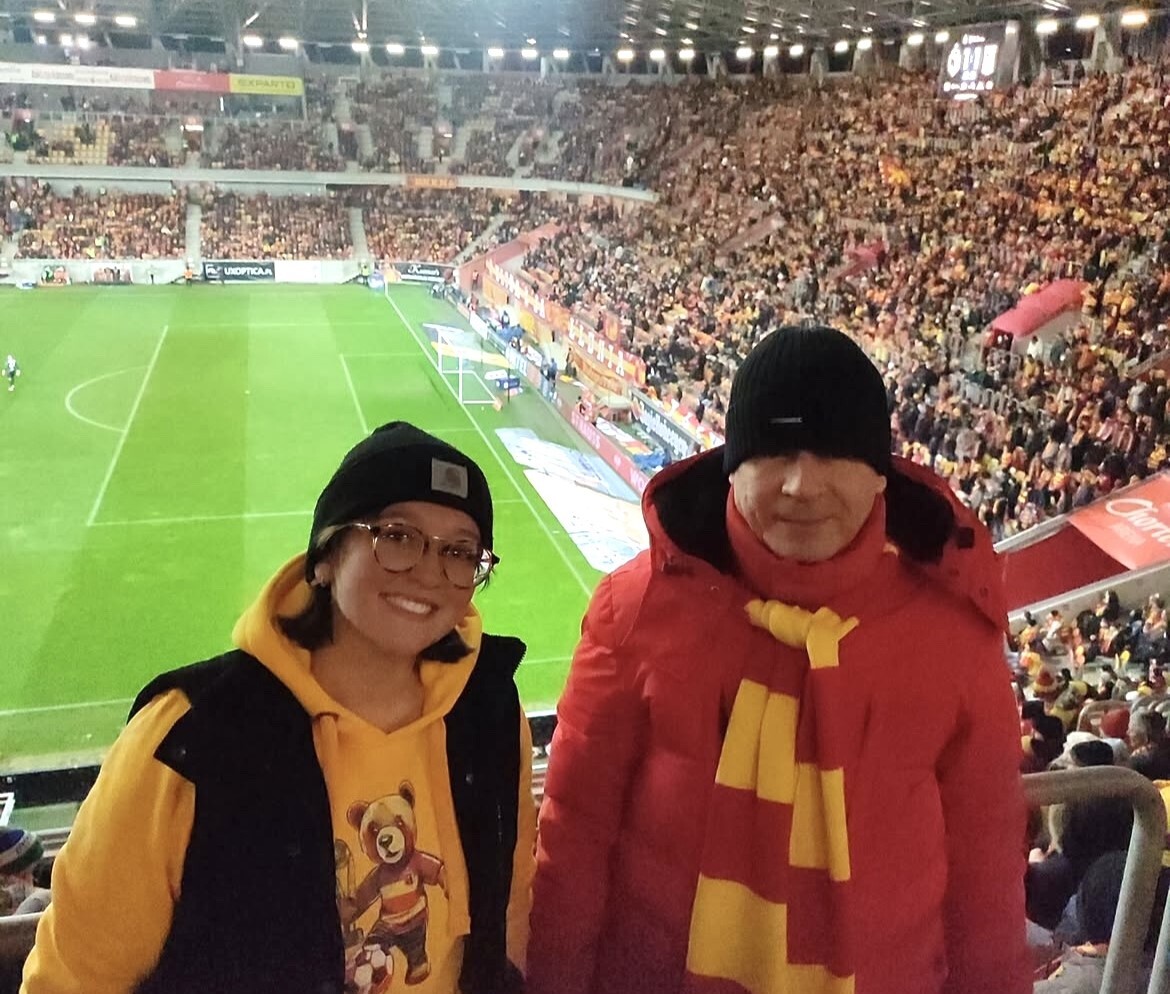
Some of my personal highlights included the Żubroffka Short Film Festival, cheering at a Jagiellonia Białystok match, and visiting nearby villages to see the traditionally painted homes. The city’s slower pace allowed me to build meaningful relationships with students and colleagues and to appreciate the local environment. In the fall and spring, I spent much of my time on the many trails and woods in Białystok, whether walking, biking, or running. I deeply value the time I spent there and truly appreciated the openness and kindness I encountered within the Faculty of Cultural Studies.
Kiki, studentka Uniwersytetu Liaocheng w Chinach:
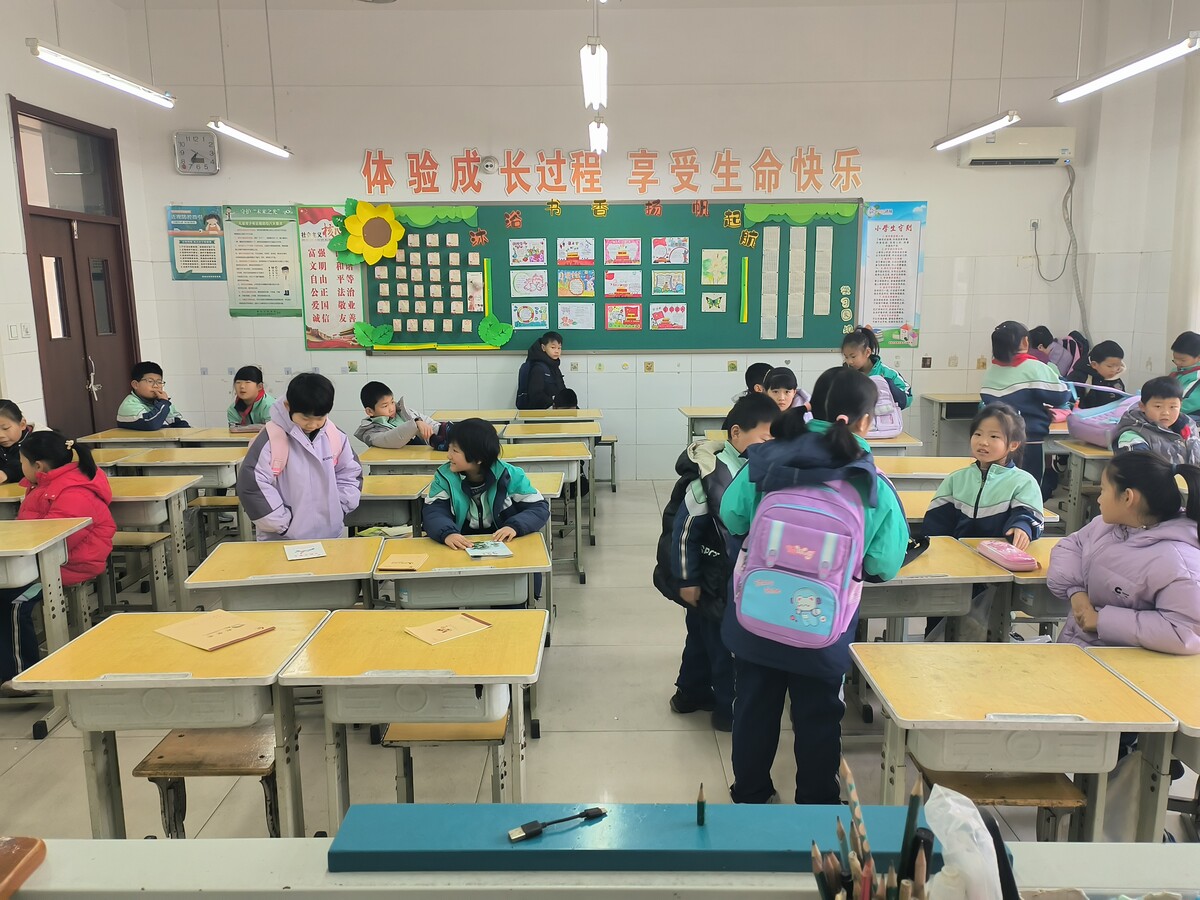
Coming to Białystok, I arrived with a mix of excitement and quiet uncertainty—far from my home country, I wondered how I’d settle into a new academic environment and a city with a distinct cultural rhythm. But from the moment I stepped foot in this welcoming place, all my worries melted away. What I thought might feel distant and unfamiliar turned out to be a haven of warmth, kindness, and intellectual curiosity.
Walking through the snow-lined streets on my way to lectures, even on the chilliest mornings, I felt a sense of joy that I’d never experienced before. The university’s academic atmosphere was nothing short of inspiring. I was constantly amazed by the passion and dedication of the professors, who didn’t just teach from textbooks but brought lessons to life with engaging discussions, real-world insights, and a genuine desire to nurture every student’s potential. They took the time to listen to our ideas, encourage our curiosity, and push us to think critically—whether it was in small seminar classes or one-on-one consultations, I always felt seen and supported.
What made my stay truly special was the incredible sense of community. I met fellow students from all corners of the globe, each bringing their own stories and perspectives, and we bonded over shared learning experiences, late-night study sessions, and explorations of Białystok’s hidden gems. The city itself is a beautiful tapestry of cultures, a place where history and modernity coexist harmoniously, and where the spirit of inclusivity shines through in every interaction. From the friendly locals who always offered a helping hand to the cozy cafes where we’d gather to chat, Białystok felt like a home away from home.
This Erasmus experience in Białystok wasn’t just about gaining academic knowledge—it was about growing as a person. I learned to step out of my comfort zone, embrace new cultures, and appreciate the beauty of connection across borders. It gave me confidence, a broader worldview, and memories that I will cherish for a lifetime. I’m endlessly grateful for every moment, every lesson, and every friendship I made here, and I wholeheartedly believe it’s a place where every international student can thrive.
Egemen, student Uniwersytetu Anadolu w Turcji:
Before coming to Białystok, it looked quite distant and disconnected on the map. As someone from the Mediterranean, even the climate felt intimidating at first. But once I arrived, I realized that what seemed far away geographically was actually very warm and welcoming in reality. Every day, even walking to class in the cold, I knew I would enjoy my time there — even if it was just for a two-hour class in the middle of the day.
This was my second Erasmus experience, but by far the best one. I studied Cultural Studies, and the variety of topics truly impressed me. In Professor Kamila Drapało’s workshops — who was also my Erasmus coordinator and supported me throughout the entire process with her kindness and willingness to help — we explored cultural products and perspectives that I would probably never have looked into if I had not attended her classes. She created a space where different opinions could coexist and where curiosity was always encouraged.
One of the most surprising parts of my experience, at least for the people I tell it to, was having a priest as a professor — Włodzimierz Misijuk. We had one-on-one classes, went on trips to churches, and even participated in ceremonies outside of class hours. Considering my secular upbringing in a Muslim environment, this might sound unexpected. But for me, it showed how open and unique the learning atmosphere was. It reminded me that when you are open to the world, the world opens up to you.
Another highlight was the Virtual Reality class. I had the chance to experiment with VR goggles and software that we simply do not have at my home university. The course was both theoretical and practical, and Rafał Kuczyński was one of the smartest people I have ever met. Being introduced to new technologies in such an accessible way felt like a real privilege.
Even though I was enrolled in Cultural Studies, I was also allowed to take courses from the field of Education. This flexibility showed how cooperative and student-oriented the academic environment was. You are not strictly limited by your department; instead, you are encouraged to shape your learning according to your own interests.
What made the experience even more meaningful was that learning extended naturally beyond the classroom. Conversations with other students, informal discussions, and even interactions with the assistants at the Dean’s Office became part of the educational journey. Studying Cultural Studies in Białystok felt authentic because the city itself reflects multicultural coexistence. It is, after all, the birthplace of Ludwik Zamenhof, the creator of Esperanto. Knowing that such a global and inclusive vision emerged from this city made my time there feel symbolically powerful. You can still sense that cultural diversity in everyday life.
The teachers were genuinely devoted to their work and to their students. They noticed your effort and appreciated it. I even had two classes that were taught one-on-one, which felt like a true privilege. It was clear that teaching was not just a profession for them, but something they deeply believed in.
On a practical level, staying in the university dormitories made everything easier. It helped me manage my budget and allowed me to travel more while studying abroad, which is an important part of the Erasmus experience.
Looking back, what first seemed distant became a place where I grew academically and personally. Białystok gave me not only knowledge, but perspective, openness, and confidence. It was more than just an exchange semester — it was a transformative experience that I am forever grateful that I had to the fullest.
Mamy nadzieję, że doświadczenia naszych studentów zagranicznych zachęcą innych do udziału w programie Erasmus+ i odkrycia możliwości akademickich i kulturalnych, jakie oferuje nasz wydział.
W ramach naszego serwisu www stosujemy pliki cookies zapisywane na urządzeniu użytkownika w celu dostosowania zachowania serwisu do indywidualnych preferencji użytkownika oraz w celach statystycznych. Użytkownik ma możliwość samodzielnej zmiany ustawień dotyczących cookies w swojej przeglądarce internetowej. Więcej informacji można znaleźć w Polityce Prywatności Uniwersytetu w Białymstoku. Korzystając ze strony wyrażają Państwo zgodę na używanie plików cookies, zgodnie z ustawieniami przeglądarki.